



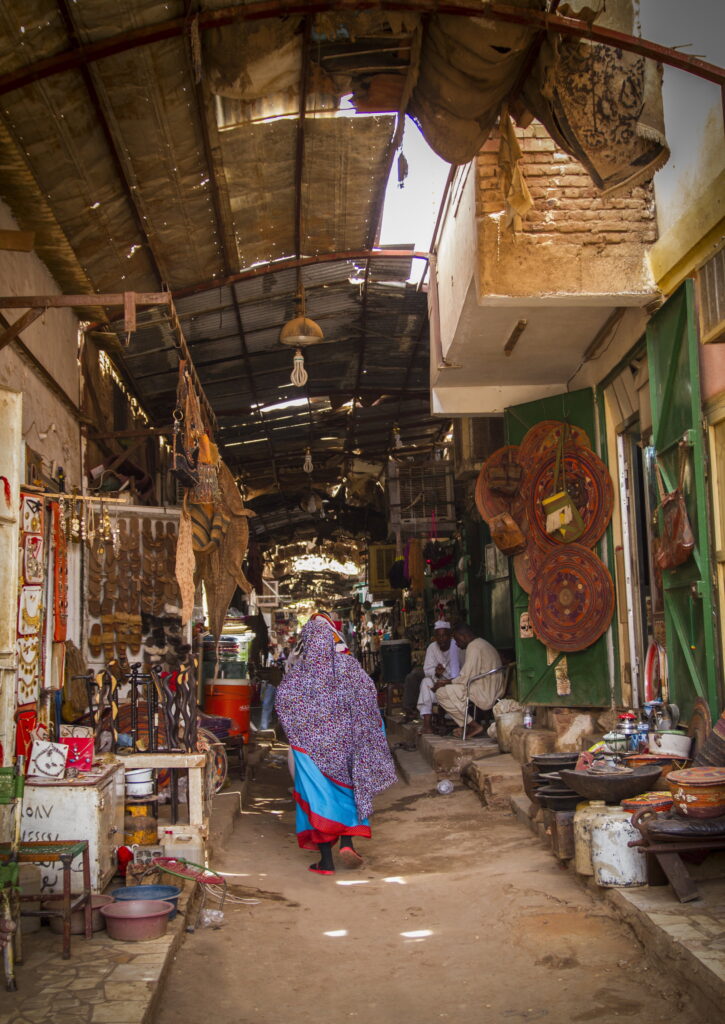
The Berlin Sudan Conference on April 15 brought together government representatives, international organizations, and NGOs to provide new humanitarian aid for the civil war–torn country. A funding gap of €2.2 billion was to be closed; the German government is now placing the lion’s share of the pledged funds on German taxpayers: Foreign Minister Johann Wadephul pledged €212 million at the summit. Marc Jongen, Member of the European Parliament and development policy spokesperson of the AfD delegation, stated:
“With €29.1 billion in 2025, Germany has now become the world’s largest donor of development aid—following the drastic cuts to the US USAID program. Of the €522 million already pledged for Sudan in 2025 by the European Commission and the Member States, Germany is bearing the main burden. These payments are largely made through the NDICI instrument, with a total volume of nearly €79 billion for 2021–2027—without sufficient democratic oversight and measurable success criteria. It remains entirely unclear how much of the promised sums actually reach the local population to meet basic needs and how much flows into the pockets of corrupt NGOs and warlords. The European Court of Auditors has repeatedly criticized the lack of transparency in EU development aid, particularly the role of NGOs, yet no robust control mechanisms or stricter allocation criteria have been introduced.
In light of the economic crisis and the loss of hundreds of thousands of jobs due to deindustrialization in Germany, such a transfer of billions abroad is completely irresponsible. The German government must not continue to act as the paymaster of the world. Instead, any further engagement by Germany and the EU in development policy must be tied to strict conditions: effective border protection, consistent action against human smuggling and Islamist terrorism, and functioning readmission agreements for migrants—with an immediate halt to all payments if migrant readmission is refused. In recent years, illegal entries into Europe from Sudan in particular have risen sharply.
At the EU level, there must now be full transparency, anti-corruption measures, and radical cuts to all development spending without clear benefits—following the example of DOGE in the United States. European economic and security interests, as well as the fight against illegal migration, must be placed at the center of EU development policy. The German government should take a leading role at the national level instead of continuing to pour billions in taxpayers’ money into what is effectively a bottomless pit in the Global South.”