




















Markus Buchheit, AfD Member of the European Parliament and member of the Committee on Industry, Research and Energy, stated:
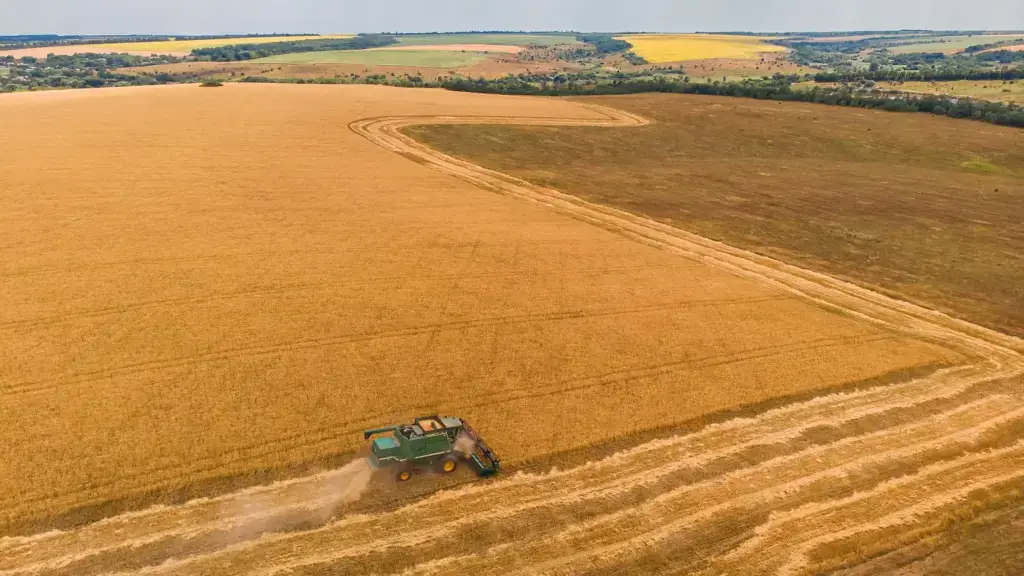
“The Iran war is driving up energy and fertiliser prices worldwide. In Europe, prices for nitrogen fertilisers have risen significantly since the beginning of the year, in some regions by as much as 30 to 40 percent. Urea and carbamide prices have shot up sharply within just a few weeks. This means higher costs on farms, less planning certainty, and ultimately more expensive food for all consumers.
Instead of unilaterally imposing new tariffs and then trying to patch up the self-inflicted damage with subsidies, we need a trade policy based on common sense: security of supply, affordable production costs, and the preservation of our domestic agriculture must once again take centre stage, not ideological symbolism.”
Arno Bausemer, AfD politician for European affairs and member of the Committee on Agriculture and Rural Development, added:
“The sharply rising energy prices are above all politically driven, for example by energy and sanctions policies that artificially make gas more expensive and therefore directly burden fertiliser production. For farmers, this means massive cost increases that threaten their livelihoods and ultimately make food more expensive as well. I therefore call for a reliable and affordable energy supply, in particular through a return to low-cost gas, the dismantling of regulatory burdens and environmental rules that make production more expensive, as well as stronger support for domestic fertiliser production in order to become more independent of international crises and to lower prices permanently.”